Boosting profitability is a crucial goal for any business, regardless of size or industry. Understanding and improving profit margins requires a multifaceted approach, encompassing cost reduction, revenue enhancement, and operational efficiency. This guide delves into the key strategies and analytical techniques needed to achieve sustainable profit margin growth.
We will explore the various types of profit margins, identify common pitfalls that hinder profitability, and Artikel actionable steps to overcome these challenges. From optimizing pricing strategies to streamlining operations and leveraging data-driven insights, we’ll equip you with the knowledge and tools to navigate the complexities of maximizing your bottom line.
Understanding Profit Margins
Profit margins are crucial indicators of a business’s financial health and efficiency. Understanding how they are calculated and the factors that influence them is vital for effective financial management and strategic decision-making. A strong grasp of profit margins allows businesses to identify areas for improvement and ultimately boost their profitability.
Components of Profit Margin Calculation
Profit margin calculations rely on two primary components: revenue and costs. Revenue represents the total income generated from sales, while costs encompass all expenses incurred in generating that revenue. The difference between revenue and costs determines the profit, which is then expressed as a percentage of revenue to calculate the profit margin. The specific costs included vary depending on the type of profit margin being calculated.
Types of Profit Margins
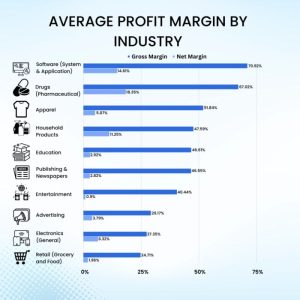
Different types of profit margins offer insights into various aspects of a company’s profitability. These provide a more nuanced understanding than a single overall profit margin.
- Gross Profit Margin: This measures the profitability of a company’s core business operations before considering operating expenses. It’s calculated as (Revenue – Cost of Goods Sold) / Revenue. Cost of Goods Sold (COGS) includes direct costs associated with producing or acquiring goods sold, such as raw materials, direct labor, and manufacturing overhead. A high gross profit margin suggests efficient production or sourcing.
For example, a company with $1 million in revenue and $400,000 in COGS has a gross profit margin of 60% (($1,000,000 – $400,000) / $1,000,000).
- Operating Profit Margin: This reflects the profitability of a company’s operations after accounting for both COGS and operating expenses. Operating expenses include administrative costs, selling expenses, and research and development costs. It’s calculated as (Operating Income) / Revenue. Operating income is calculated as Revenue – COGS – Operating Expenses. A higher operating profit margin indicates better management of operating costs.
If the company from the previous example has operating expenses of $200,000, its operating profit margin is 40% (($1,000,000 – $400,000 – $200,000) / $1,000,000).
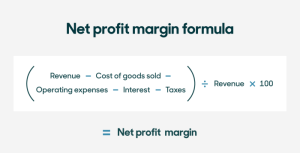
- Net Profit Margin: This represents the overall profitability of a company after all expenses, including taxes and interest, have been deducted. It’s calculated as (Net Income) / Revenue. Net income is the final profit after all expenses and taxes. A high net profit margin signifies strong overall financial performance. If the company’s net income after taxes and interest is $160,000, its net profit margin is 16% ($160,000 / $1,000,000).
Impact of Components on Overall Margin
Each component significantly impacts the overall profit margin. A reduction in COGS directly increases the gross profit margin, while efficient management of operating expenses boosts the operating and net profit margins. Increased revenue, holding costs constant, also improves all profit margins. Conversely, rising costs or falling revenue negatively affect all profit margins. Careful cost control and revenue generation strategies are therefore essential for maximizing profit margins.
A Simple Profit Margin Model
A simple model can illustrate the relationship between revenue, costs, and profit margin.
| Revenue | Cost of Goods Sold (COGS) | Operating Expenses | Gross Profit | Operating Income | Net Income (after taxes) | Net Profit Margin |
|---|---|---|---|---|---|---|
| $1,000,000 | $400,000 | $200,000 | $600,000 | $400,000 | $160,000 | 16% |
Profit Margin = (Revenue – Total Costs) / Revenue
Identifying Areas for Improvement

Improving profit margins requires a thorough understanding of the business’s financial health and operational efficiency. By pinpointing areas needing attention, businesses can strategically implement changes to boost their bottom line. This involves analyzing various aspects of the business, from pricing strategies to operational effectiveness.
Common Reasons for Low Profit Margins
Three common culprits behind low profit margins are high operating costs, ineffective pricing strategies, and low sales volume. High operating costs can stem from inefficient processes, excessive overhead, or poor inventory management. Ineffective pricing strategies, such as underpricing products or services relative to market value, directly reduce profitability. Low sales volume, irrespective of pricing, simply means fewer units sold, limiting overall revenue generation and thus impacting profitability.
Addressing these issues requires a multi-faceted approach, focusing on cost reduction, optimal pricing, and sales growth strategies.
The Impact of Pricing Strategies on Profit Margins
Pricing strategies significantly influence profit margins. A cost-plus pricing strategy, where a fixed markup is added to the cost of goods sold, can be simple but may not always maximize profits, especially in competitive markets. Value-based pricing, which sets prices based on perceived customer value, often yields higher margins but requires a deep understanding of customer needs and willingness to pay.
Competitive pricing, matching or undercutting competitors’ prices, can boost market share but might sacrifice profitability if not carefully managed. For example, a company that consistently undercuts its competitors may gain market share but could find its profit margins squeezed if its cost structure isn’t optimized. Conversely, a company using value-based pricing for a unique product or service can command premium prices, leading to higher profit margins.
High vs. Low Volume Sales and Profitability
High-volume sales, while generating significant revenue, don’t automatically translate to high profit margins. High volume often necessitates economies of scale to maintain profitability. Lower per-unit profit margins can be offset by the sheer volume of sales. Conversely, low-volume, high-margin sales strategies, often employed by luxury brands or niche businesses, focus on selling fewer units at a significantly higher price point per unit.
For instance, a high-end handbag manufacturer might sell a limited number of bags at a very high price, achieving high profit margins despite low sales volume. A fast-food chain, on the other hand, relies on high volume and low margins per item to achieve profitability. The optimal balance depends heavily on the business model and market conditions.
The Influence of Operational Efficiency on Profit Margins
Operational efficiency plays a crucial role in maximizing profit margins. Streamlining processes, improving inventory management, and reducing waste directly contribute to lower operating costs. Investing in technology, such as automation or efficient software, can also boost efficiency. For example, implementing a just-in-time inventory system minimizes storage costs and reduces the risk of obsolescence. Similarly, automating repetitive tasks can reduce labor costs and increase productivity.
The more efficient a business’s operations, the lower its costs and the higher its profit margins, assuming pricing remains constant. Efficient operations free up resources that can then be reinvested in other areas, further improving profitability.
Cost Reduction Strategies

Improving profit margins often hinges on effectively managing costs. This section Artikels various cost-cutting measures categorized by business function, illustrating their potential impact on profitability and providing examples of negotiation strategies with suppliers. A holistic approach, considering all aspects of the business, is crucial for sustainable margin improvement.
Implementing cost reduction strategies requires a careful analysis of current expenditures and a strategic approach to identifying areas for optimization. This involves evaluating both fixed and variable costs and determining which areas offer the most significant potential for savings without compromising quality or customer satisfaction. The impact on profit margin will vary depending on the scale and nature of the cost reduction implemented.
Production Cost Reduction
Optimizing production processes is a key area for cost reduction. This involves examining every stage of production, from raw material acquisition to finished product delivery, to identify inefficiencies and areas for improvement. Strategies here can lead to significant savings, directly boosting profit margins.
- Inventory Management: Implementing Just-In-Time (JIT) inventory systems minimizes storage costs and reduces the risk of obsolescence.
- Process Optimization: Streamlining production workflows, improving equipment efficiency, and reducing waste can significantly lower production costs. For example, a manufacturing company might implement lean manufacturing principles to eliminate unnecessary steps in the production process, reducing labor and material costs.
- Automation: Investing in automation technology can increase efficiency and reduce labor costs in the long run, although initial investment is required. A bakery, for instance, could automate bread-slicing and packaging, reducing labor costs and improving consistency.
Marketing Cost Reduction
Marketing costs can be significant. Effective strategies focus on maximizing return on investment (ROI) and optimizing spending across different channels. Careful planning and analysis are key to reducing costs without sacrificing marketing effectiveness.
- Digital Marketing Optimization: Focusing on cost-effective digital marketing channels like and targeted social media advertising can yield better results than traditional methods. A clothing retailer, for example, might shift budget from print advertising to Instagram influencer marketing, potentially reaching a wider audience at a lower cost.
- Targeted Advertising: Instead of broad-based campaigns, focusing on specific customer segments through targeted advertising can improve conversion rates and reduce wasted ad spend. A software company could target ads to specific demographics and job titles more likely to purchase their product.
- Content Marketing: Creating high-quality, engaging content can attract customers organically, reducing reliance on paid advertising. A blog or a series of informative videos can attract customers and build brand awareness without significant advertising expenditure.
Administrative Cost Reduction
Administrative costs encompass various overhead expenses. Analyzing these costs and identifying areas for streamlining can free up significant resources. This requires careful review of operational processes and potential technology solutions.
- Streamlining Operations: Automating administrative tasks such as invoicing, payroll, and record-keeping can significantly reduce labor costs and improve efficiency. A small business could switch to cloud-based accounting software, reducing the need for dedicated accounting staff.
- Negotiating Better Rates: Reviewing contracts with service providers like insurance, utilities, and office supplies can often reveal opportunities for negotiation and cost reduction. A company could negotiate lower rates with their insurance provider by demonstrating a good safety record.
- Energy Efficiency: Implementing energy-saving measures such as switching to LED lighting and improving building insulation can reduce utility costs. A company could switch to energy-efficient HVAC systems, reducing their energy bills over time.
Supplier Cost Negotiation Strategies
Negotiating lower prices with suppliers is a crucial aspect of cost reduction. This requires a strategic approach that balances building strong relationships with securing favorable terms.
Effective negotiation strategies often involve:
- Building Strong Relationships: Establishing long-term relationships with reliable suppliers can lead to better pricing and more favorable terms.
- Volume Discounts: Negotiating higher order volumes in exchange for discounted pricing can significantly reduce per-unit costs.
- Competitive Bidding: Requesting quotes from multiple suppliers allows for comparison and the selection of the most cost-effective option. This creates leverage during negotiations.
- Value Engineering: Collaborating with suppliers to identify ways to reduce the cost of materials or components without compromising quality. This collaborative approach can lead to innovative solutions and cost savings for both parties.
Effective negotiation requires thorough preparation, understanding your own needs and the supplier’s capabilities, and a willingness to compromise to reach a mutually beneficial agreement.
Revenue Enhancement Strategies
Increasing revenue is a crucial aspect of improving profit margins. While cost reduction is vital, focusing solely on cutting expenses can limit growth. A balanced approach that incorporates strategic revenue enhancement significantly boosts profitability. This involves identifying opportunities to increase sales volume without proportionally increasing costs, optimizing pricing strategies, and leveraging sales techniques like upselling and cross-selling.
Strategies for increasing sales volume while managing costs effectively involve a multi-pronged approach focusing on both marketing and sales techniques. Effective marketing campaigns are crucial for reaching a wider audience and driving demand, while refined sales processes can maximize the value extracted from each customer interaction. Careful consideration of pricing also plays a key role, balancing competitiveness with profitability.
Effective Marketing Campaigns to Boost Revenue
Successful marketing campaigns hinge on understanding the target audience and crafting compelling messaging. For instance, a local bakery might run a social media campaign showcasing visually appealing images of their products, coupled with customer testimonials and limited-time offers. This campaign could leverage user-generated content, encouraging customers to share photos of their bakery purchases using a specific hashtag. Another example is a software company launching a targeted advertising campaign on LinkedIn, focusing on professionals in specific industries likely to benefit from their software.
This approach uses data-driven targeting to ensure maximum impact and minimize wasted ad spend. A well-designed campaign uses a combination of channels (social media, email marketing, search engine optimization) to maximize reach and impact.
Upselling and Cross-selling Techniques
Upselling and cross-selling are powerful techniques for increasing revenue per customer. Upselling involves encouraging customers to purchase a more expensive or premium version of a product or service they are already considering. For example, a restaurant might suggest a more expensive wine pairing with a customer’s meal. Cross-selling involves offering complementary products or services. A clothing retailer might suggest accessories to go with an outfit a customer is purchasing.
Implementing these techniques requires well-trained staff who can effectively present options to customers without being overly pushy. A well-structured sales process incorporating upselling and cross-selling opportunities is crucial.
Pricing Strategies for Maximizing Revenue
A well-defined pricing strategy balances competitiveness with profitability. Value-based pricing focuses on the perceived value of the product or service to the customer, rather than solely on cost. Premium pricing involves setting a higher price than competitors to signal superior quality or exclusivity. Competitive pricing involves setting prices in line with or slightly below competitors’ prices to gain market share.
A dynamic pricing strategy adjusts prices based on factors like demand, seasonality, and competitor pricing. For example, airlines frequently adjust their ticket prices based on demand and time until departure. Choosing the right strategy depends on factors such as the nature of the product or service, the competitive landscape, and the target market.
Improving Operational Efficiency
Operational efficiency is crucial for boosting profit margins. By streamlining processes and optimizing resource allocation, businesses can significantly reduce costs and enhance profitability. This section explores key strategies for improving operational efficiency, focusing on measurable indicators, process improvements, technology adoption, and employee development.
Key Performance Indicators (KPIs) for Operational Efficiency
Several key performance indicators (KPIs) provide a quantifiable measure of operational efficiency. Tracking these metrics allows businesses to monitor progress, identify bottlenecks, and make data-driven improvements. These KPIs offer insights into various aspects of the operational process, highlighting areas needing attention for optimization.
- Order fulfillment cycle time: This measures the time it takes to process an order from receipt to delivery. A shorter cycle time indicates greater efficiency.
- Inventory turnover rate: This reflects how efficiently inventory is managed. A higher turnover rate suggests effective inventory control and reduced storage costs.
- Production efficiency ratio: This compares the actual output to the planned output, highlighting potential production bottlenecks or inefficiencies.
- Defect rate: A lower defect rate demonstrates improved quality control, reducing waste and rework costs.
- Employee productivity: This assesses the output per employee, identifying areas for skill enhancement or process optimization.
Streamlining Processes to Improve Profit Margins
Streamlining processes involves eliminating unnecessary steps, automating tasks, and optimizing workflows to reduce operational costs and improve efficiency. This leads to faster turnaround times, reduced errors, and improved resource utilization, ultimately boosting profit margins. For example, a manufacturing company might streamline its production line by implementing a just-in-time inventory system, reducing storage costs and minimizing waste. A service-based company could streamline its customer service process by implementing a self-service portal, reducing the workload on customer service representatives.
Technology for Automation and Cost Reduction
Investing in technology can significantly automate tasks and reduce operational costs. Several technologies can improve efficiency and contribute to higher profit margins.
- Enterprise Resource Planning (ERP) systems: These integrated systems manage various business functions, streamlining processes and improving data visibility.
- Customer Relationship Management (CRM) systems: These systems manage customer interactions, improving customer service and sales efficiency.
- Robotics Process Automation (RPA): RPA software automates repetitive tasks, reducing manual labor costs and improving accuracy.
- Artificial Intelligence (AI) and Machine Learning (ML): AI and ML can be used to predict demand, optimize inventory levels, and improve decision-making.
Investing in Employee Training and Development for Efficiency Improvement
Investing in employee training and development enhances skills, improves productivity, and reduces errors. Well-trained employees are more efficient, leading to lower operational costs and higher profit margins. For instance, training employees on new software or equipment can significantly improve their efficiency and reduce errors. Furthermore, providing opportunities for professional development fosters employee engagement and retention, reducing recruitment and training costs in the long run.
A company investing in a comprehensive training program for its customer service team, equipping them with advanced problem-solving skills and product knowledge, will likely experience a reduction in customer service calls and improved customer satisfaction, directly contributing to increased profitability.
Ultimately, improving profit margins is a continuous process requiring vigilance, strategic planning, and a commitment to data-driven decision-making. By consistently monitoring key performance indicators, adapting to market changes, and implementing the strategies discussed, businesses can achieve sustainable profitability and long-term success. Remember that consistent analysis and adaptation are key to navigating the ever-changing business landscape and securing a strong financial future.
Questions Often Asked
What is the difference between gross, operating, and net profit margin?
Gross profit margin considers revenue minus the cost of goods sold. Operating profit margin subtracts operating expenses from gross profit. Net profit margin is the final profit after all expenses, including taxes and interest, are deducted from revenue.
How can I quickly assess the health of my profit margins?
Compare your current margins to industry averages and your own historical data. A declining trend warrants immediate investigation into cost structures and revenue streams.
What are some quick wins for improving profit margins in the short term?
Negotiate better deals with suppliers, identify and eliminate unnecessary expenses, and implement targeted marketing campaigns to boost sales of high-margin products.
How important is technology in improving profit margins?
Technology plays a vital role through automation of tasks, data analysis for informed decisions, and improved communication and collaboration, all leading to increased efficiency and reduced costs.