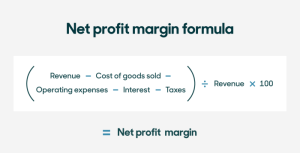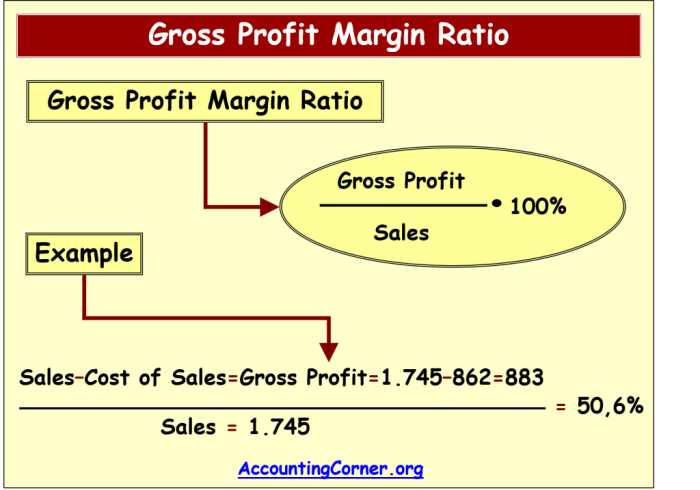
Understanding profit margin is crucial for any business, regardless of size or industry. It’s the lifeblood of financial health, revealing the efficiency of operations and the effectiveness of pricing strategies. This guide will equip you with the knowledge to calculate and interpret the three key types of profit margin – gross, operating, and net – enabling you to make informed decisions for growth and sustainability.
We’ll delve into the specific formulas, provide practical examples, and explore how analyzing these margins can highlight areas for improvement. From identifying cost-cutting opportunities to optimizing pricing, mastering profit margin calculation is a cornerstone of successful business management. Prepare to gain a clear understanding of this essential financial metric.
Improving Profit Margins
Profit margin improvement is crucial for business sustainability and growth. It involves a strategic approach encompassing both revenue enhancement and cost reduction strategies. Analyzing current performance and implementing targeted actions are key to achieving significant improvements.
Increasing Revenue to Improve Profit Margins
Boosting revenue directly impacts profit margins. Several strategies can be effectively employed to achieve this. A focus on increasing sales volume, while maintaining or slightly improving pricing, is often the most straightforward approach. However, carefully considering pricing strategies in conjunction with sales volume is vital for optimizing profitability.
- Expanding Market Reach: Targeting new customer segments or geographical areas can significantly increase sales volume. For example, a local bakery could expand its reach by offering online ordering and delivery services or opening a second location in a high-traffic area.
- Improving Product/Service Offerings: Introducing new products or services that complement existing offerings can attract new customers and increase sales. A clothing retailer might add a new line of accessories to appeal to a broader customer base.
- Upselling and Cross-selling: Encouraging customers to purchase higher-priced items or complementary products increases the average transaction value. A restaurant might suggest appetizers or desserts to customers ordering main courses.
- Strengthening Customer Relationships: Building loyalty programs and fostering positive customer experiences can lead to repeat business and increased revenue. A subscription service that offers exclusive content to loyal subscribers is an example.
Reducing Costs to Improve Profit Margins
Cost reduction is equally important in improving profit margins. A thorough analysis of operational expenses is crucial to identify areas for potential savings. This includes evaluating both fixed and variable costs to determine where efficiencies can be gained.
- Negotiating Better Deals with Suppliers: Securing lower prices from suppliers through bulk purchasing or renegotiating contracts can significantly reduce the cost of goods sold. A manufacturing company might negotiate better rates with its raw material suppliers by ordering larger quantities.
- Streamlining Operations: Improving operational efficiency through process optimization and automation can reduce labor costs and waste. A company might implement automated inventory management to reduce labor costs and minimize stockouts.
- Reducing Waste: Minimizing waste in production, packaging, and distribution can significantly lower costs. A food processing company might implement stricter quality control measures to reduce waste during production.
- Optimizing Energy Consumption: Reducing energy consumption through energy-efficient equipment and practices can lower utility bills. A retail store might install energy-efficient lighting to reduce electricity costs.
Pricing Strategies and Their Impact on Profit Margins
Different pricing strategies have varying impacts on profit margins. Choosing the right strategy depends on factors such as market competition, customer demand, and the cost of production.
- Cost-Plus Pricing: This method involves adding a markup to the cost of goods sold to determine the selling price. While simple, it may not be optimal in competitive markets.
- Value-Based Pricing: This strategy sets prices based on the perceived value of the product or service to the customer. It can lead to higher profit margins if the perceived value is high.
- Competitive Pricing: This involves setting prices based on the prices charged by competitors. It may result in lower profit margins if competition is intense.
- Penetration Pricing: This involves setting low prices initially to gain market share, followed by price increases as market share grows. It can be risky but can lead to higher profit margins in the long run.
Improving Profit Margin Flowchart
The flowchart would visually represent the following steps:
1. Analyze Current Profit Margin
Calculate current profit margin using the formula: (Revenue – Cost of Goods Sold) / Revenue.
2. Identify Revenue Opportunities
Explore options such as new markets, product diversification, upselling/cross-selling, and customer loyalty programs.
3. Identify Cost Reduction Opportunities
Analyze cost structure, explore supplier negotiations, streamline operations, and reduce waste.
4. Evaluate Pricing Strategies
Consider cost-plus, value-based, competitive, and penetration pricing strategies based on market conditions.
5. Implement Changes
Put chosen strategies into action, monitoring progress closely.
6. Monitor and Adjust
Regularly review performance, make necessary adjustments, and track the impact on profit margin.
Profit Margins and Business Decisions
Profit margins are not simply a reflection of past performance; they are crucial indicators that profoundly influence future business decisions, shaping investment strategies, pricing models, and overall strategic planning. Understanding and effectively utilizing profit margin data is key to sustainable growth and profitability.Profit margins influence investment decisions by providing a clear picture of the return on investment (ROI) potential for various projects or expansion strategies.
A higher profit margin suggests a greater potential for profit from each unit sold or service rendered, making it a more attractive investment opportunity compared to ventures with lower margins. Conversely, low profit margins may signal a need to reassess investment strategies or explore ways to increase efficiency and reduce costs.
Profit Margins and Investment Decisions
Analyzing profit margins allows businesses to prioritize investments in areas with the highest potential return. For example, a company with a high profit margin on its flagship product might choose to invest further in its research and development, aiming to improve the product or create similar high-margin offerings. Conversely, a business unit with consistently low profit margins may warrant a reduction in investment or even divestment, reallocating resources to more profitable ventures.
A thorough cost-benefit analysis, informed by profit margin data, is essential in making such critical investment choices.
Profit Margins and Pricing Strategies
Profit margins play a critical role in determining effective pricing strategies. Businesses must carefully balance profitability with market competitiveness. A company with a high profit margin might be able to absorb increased costs or offer discounts without significantly impacting profitability. Conversely, a business operating on thin margins needs to be more cautious about pricing, carefully considering factors like competition, consumer demand, and cost structures.
The ideal pricing strategy needs to consider the desired profit margin and the elasticity of demand for the product or service. A small increase in price might lead to a significant drop in sales for a price-sensitive product, negating any potential profit gains.
Profit Margins and Strategic Planning
Profit margin analysis is an integral part of strategic planning. By examining profit margins across different product lines, geographical regions, or customer segments, businesses can identify areas of strength and weakness. This data can inform decisions about resource allocation, product development, market penetration, and expansion strategies. For instance, a company noticing consistently higher profit margins in a particular region might choose to invest more in marketing and sales efforts there.
Similarly, identifying low-profit products might trigger a review of the product’s pricing, cost structure, or even its viability within the company’s overall portfolio.
Using Profit Margin Data for Informed Business Decisions
Using profit margin data effectively involves more than simply calculating the percentage. It requires a thorough understanding of the underlying factors influencing the margin, such as cost of goods sold, operating expenses, and sales revenue. By tracking profit margins over time, businesses can identify trends and patterns, allowing for proactive adjustments to business strategies. For instance, a consistent decline in profit margins might indicate a need to review pricing strategies, explore cost-cutting measures, or reassess the overall business model.
Regular monitoring and analysis of profit margins allow for informed, data-driven decisions that enhance profitability and sustainability.
Calculating and analyzing profit margins isn’t just about numbers; it’s about gaining a deep understanding of your business’s financial performance. By mastering the techniques Artikeld in this guide, you can identify strengths, weaknesses, and opportunities for growth. Remember that consistent monitoring and strategic adjustments based on your profit margin analysis are key to long-term success and profitability. Use this knowledge to steer your business towards a more prosperous future.
FAQ Overview
What is the difference between gross profit margin and net profit margin?
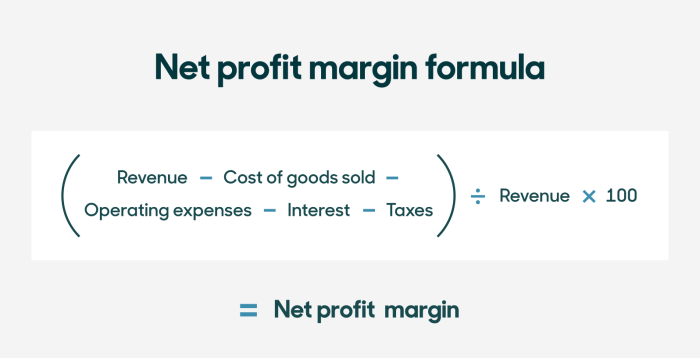
Gross profit margin considers only revenue and the direct costs of producing goods or services (COGS). Net profit margin accounts for all expenses, including operating costs, taxes, and interest, providing a more comprehensive view of overall profitability.
How can I improve my operating profit margin?
Focus on reducing operating expenses (rent, salaries, utilities) while maintaining or increasing revenue. This can involve negotiating better deals with suppliers, improving operational efficiency, and implementing cost-saving measures.
What are some common mistakes businesses make when calculating profit margins?
Inaccurately calculating COGS, overlooking indirect costs, and failing to account for all expenses are common pitfalls. Using outdated data and not benchmarking against industry averages also leads to inaccurate assessments.
Can I use profit margin alone to assess business health?
While profit margin is crucial, it shouldn’t be the sole indicator. Consider it alongside other key metrics like revenue growth, market share, and cash flow to get a holistic view of business performance.